
Animal Feed Ingredients

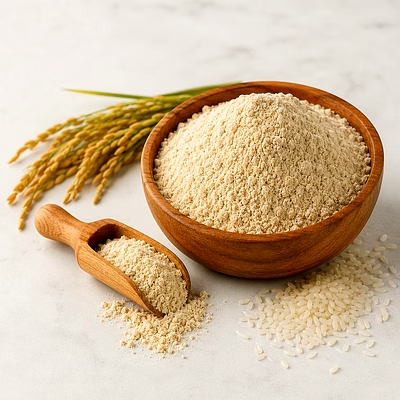
Feed Grade Rice Gluten For Animal Nutrition, Poultry, Cattle And Aquaculture Feed Formulations
feed grade rice gluten for animal nutrition and feed formulations
Feed grade rice gluten is a protein-rich ingredient used in poultry, cattle and aquaculture feed formulations. It contributes digestible protein and complements other meal inputs within compound feed. Feed mills evaluate crude protein, moisture and crude fiber content when specifying this input.
Technical Specifications & Grading
- grade: feed-grade rice gluten
- key specs: crude protein, moisture, crude fiber (reported on COA)
- form: meal/powder
- packaging: 25 kg bags or bulk sacks
Bulk Supply & Logistics Terms
- MOQ: Commercial bulk volumes available upon request
- Lead Time: Scheduled based on volume and packaging
- Supply Capacity: Scalable monthly supply for feed mills
- Packaging: 25 kg bags, lined bulk sacks
Feed materials and processing formats for commercial formulation
Animal feed ingredients are supplied for feed manufacturers, integrators and commercial procurement teams evaluating nutrient-focused raw materials for formulation operations. Sourcing requirements commonly involve composition consistency, processing suitability and stable replenishment planning.
Supply categories may include protein meals, feed concentrates, forage materials and processing-grade powdered inputs used in commercial feed systems.
Technical evaluation: nutrient profile and material stability
Procurement review often focuses on measurable feed characteristics and handling stability across production environments. Common technical priorities include:
- protein, fat and fibre composition targets
- moisture stability and storage suitability
- contaminant monitoring and quality-control considerations
Production continuity and replenishment planning
Feed manufacturers generally prioritise lot consistency, forward allocation planning and scheduled supply continuity to support uninterrupted formulation operations.
- planned replenishment scheduling for manufacturing cycles
- batch-level handling and storage coordination
- commercial allocation support during seasonal procurement periods
Packaging and logistics coordination
Packaging configuration and shipment handling may influence unloading efficiency, warehousing operations and acceptance procedures at feed production facilities.
How are commercial feed ingredient orders typically planned?
Procurement schedules generally depend on feed production cycles, inventory turnover and packaging requirements.
What factors influence commercial pricing for feed materials?
Pricing structures may vary based on composition profile, sourcing season and replenishment volume.
Can technical and composition-related documentation be requested?
Commercial buyers may request composition records, COAs and related trade documentation during sourcing evaluation.
How are dispatch schedules managed for feed ingredient shipments?
Shipment schedules are generally aligned with production allocation, storage planning and delivery timelines.
