
Food Ingredients

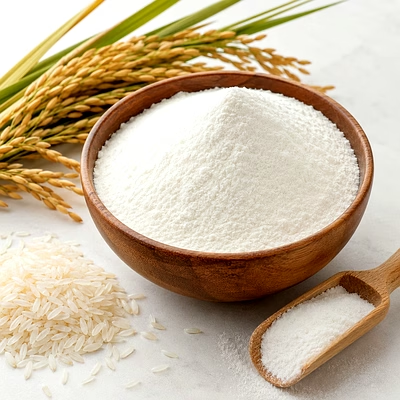
Rice Maltodextrin Powder From Rice Starch For Food, Beverage, Nutraceutical And Sports Nutrition Use
rice maltodextrin powder for food, beverage and nutraceuticals
Rice maltodextrin is a functional carbohydrate produced from rice starch, used as a bulking agent, carrier, and texture modifier in food, beverage, and supplement formulations. It offers clean flavor, soluble carbohydrate content, and predictable flow behavior in powder blends. Manufacturers use it for encapsulation carriers, protein blends, and beverage stabilizers.
Technical Specifications & Grading
- source: rice starch derived
- form: fine powder (mesh as specified)
- moisture and dextrose equivalent: reported on COA
- packaging: 25 kg bags, lined sacks
Bulk Supply & Logistics Terms
- MOQ: Commercial bulk volumes available upon request
- Lead Time: Scheduled based on volume and packaging
- Supply Capacity: Scalable monthly supply for repeat orders
- Packaging: 25 kg lined bags, cartons
Food ingredient categories for commercial manufacturing
Food Ingredients Supplier supports manufacturers, processors and formulation teams sourcing food-grade materials for production, blending and retail packaging. Buyers commonly evaluate ingredient stability, application suitability and documentation readiness before approving commercial supply.
Product categories may include botanical extracts, seasoning blends, functional powders, stabilisers and processing-support ingredients supplied in industrial pack formats.
Selection factors: shelf stability, testing and process compatibility
Commercial ingredient sourcing focuses on maintaining product consistency during storage, processing and distribution. Common procurement checkpoints include:
- shelf-life suitability under intended storage conditions
- microbiological testing and COA availability for batch approval
- compatibility with heating, blending and downstream processing systems
Packaging formats and production supply coordination
Industrial buyers frequently require packaging aligned to production efficiency and distribution planning. RFQs should define pack preferences, handling requirements and expected order frequency.
Bulk packing, retail coordination and shipment planning
Supply programs may include industrial sacks, drums or coordinated retail-ready packing depending on operational requirements and distribution channels.
- industrial pack formats designed for production handling efficiency
- retail labelling coordination for buyer-supplied artwork requirements
- scheduled replenishment support for recurring manufacturing demand
Commercial documentation and quotation requirements
Accurate quotations depend on defined testing scope, packaging expectations and procurement volumes. Buyers should include specification requirements and shipment preferences during RFQ discussions.
What minimum order quantities apply for food ingredients?
MOQ levels vary by ingredient category, packaging configuration and processing requirements. Buyers should specify target volumes and preferred pack formats during quotation requests.
How is pricing structured for commercial food ingredient supply?
Pricing generally depends on ingredient type, testing scope, processing complexity and order volume. Long-term procurement schedules may support more stable commercial pricing.
Are COAs and food-grade testing documents available with shipments?
Certificate-of-analysis documentation and product-specific testing reports can be coordinated based on buyer compliance and quality-control requirements.
How are packing and delivery schedules managed for manufacturers?
Delivery coordination is aligned with production timelines, packaging requirements and shipment planning discussed during the RFQ process.
